Advocacy and Behavioral Change
The Women, Children and Youth Initiative (WCAYI) implements a community-centered Advocacy and Behavioral Change Program to address critical protection concerns, including child protection, gender-based violence (GBV), and harmful social norms.
The program promotes gender equality, rights awareness, and positive social transformation through inclusive dialogue, empowerment, and collaboration with both refugee and host communities.
Our Approach
WCAYI facilitates structured, participatory dialogues that bring together women, men, youth, and children to openly discuss challenges affecting their community.
- Key topics include child protection, GBV prevention, positive parenting, youth participation, and equitable access to services.
- Community concerns and recommendations are documented and escalated to relevant authorities and service providers, strengthening accountability and response to protection gaps.
- Dialogue platforms promote trust, collective problem-solving, and shared responsibility.
WCAYI supports and strengthens local advocacy structures to ensure community voices drive change.
- We work with women’s networks, youth champions, child rights clubs, and peer educators to promote protection, rights, and social cohesion.
- These groups act as community monitors and advocates, identifying emerging risks and championing positive change initiatives.
- Capacity-building is provided in advocacy, leadership, communication, and conflict resolution, enabling effective and sustained engagement.
Recognizing the influence of cultural and religious institutions, WCAYI actively engages elders, faith leaders, and community gatekeepers.
- Leaders are supported to champion positive norms, gender equality, and child rights within their communities.
- This collaboration ensures advocacy efforts are culturally appropriate, locally accepted, and sustainable.
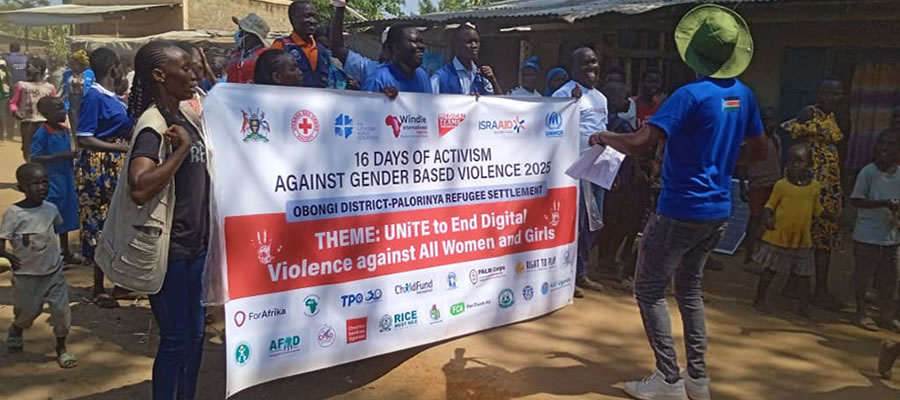
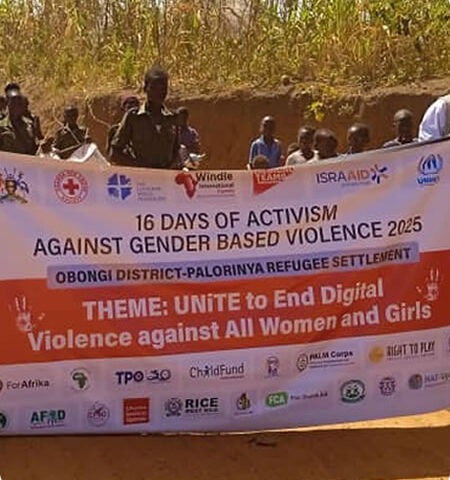
WCAYI, in collaboration with partners and stakeholders, conducts behavioral change campaigns and advocacy events to reinforce positive attitudes and practices.
- Activities include community forums, role plays, radio messaging, peer-led discussions, and public awareness days.
- Campaigns focus on gender equality, child protection, family well-being, and peaceful coexistence, reaching diverse community groups.
Advocacy efforts are directly connected to service delivery and protection mechanisms.
- Communities are linked to psychosocial support, GBV response services, legal aid, and education programs.
- WCAYI ensures that accurate information and referrals are accessible to vulnerable populations, including adolescent girls, child-headed households, and GBV survivors.
WCAYI prioritizes continuous learning and accountability.
- Regular community feedback is collected, analyzed, and used to adapt advocacy strategies.
- This ensures responsiveness to emerging protection risks and evolving social dynamics.
Impact and Outcomes
Through the Advocacy and Behavioral Change Program, WCAYI:
- Strengthens community capacity to prevent and respond to protection risks
- Promotes positive attitudes toward gender equality and child rights
- Amplifies community voices in decision-making processes
- Empowers women, children, and youth to actively shape the issues affecting their lives
This program supports inclusive, community-driven advocacy in Palorinya Refugee Settlement and surrounding host communities, fostering safer, more equitable, and resilient societies.