Protection
The Women, Children and Youth Initiative (WCAYI) places protection at the core of all its interventions, ensuring the safety, dignity, and rights of individuals, particularly women, children, and youth including older persons,
Our Protection Programs are designed to prevent harm, reduce risks of violence, exploitation, and abuse by providing comprehensive, survivor-centered support to those affected by rights violations.
Our Approach
WCAYI adopts proactive, community-based approaches to identify and address protection risks before they escalate.
- We implement Community-Based Protection (CBP) structures and apply Conflict Early Warning and Early Response Mechanisms (CEWERM) to monitor emerging threats.
- Women, adolescents, and children are trained as community protection focal points, enabling early reporting of risks such as GBV, child neglect, exploitation, and conflict-related harm.
- This approach strengthens local ownership and rapid response.
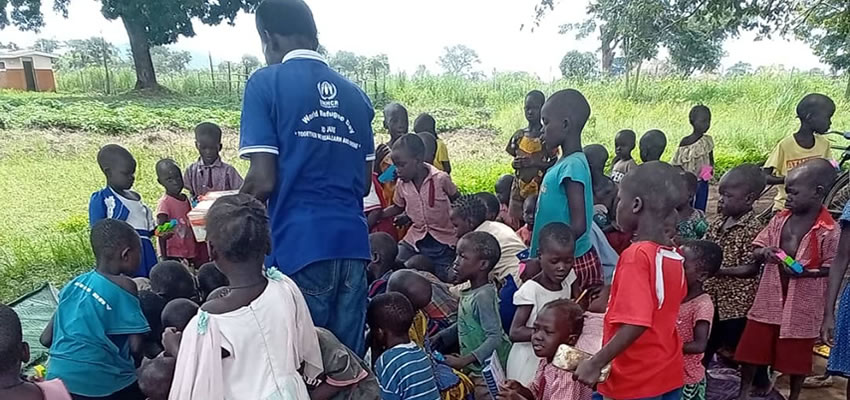
WCAYI supports and strengthens safe, inclusive spaces where vulnerable groups can access protection and psychosocial services.
- Children, adolescent girls, and youth receive psychosocial support, mentorship, and protection services in secure and supportive environments.
- Safe spaces also function as learning and empowerment hubs, integrating life skills, peer support, education, and vocational pathways.
- These environments promote healing, confidence-building, and resilience.
WCAYI delivers confidential, survivor-centered case management services.
- Survivors of GBV, abuse, neglect, or exploitation receive psychosocial counseling, legal aid referrals, and linkage to health services.
- We strengthen existing digital tools and confidential reporting mechanisms, including hotlines, suggestion boxes, and community feedback systems.
- These systems ensure safe, timely, and dignified reporting and response.
Protection is strengthened when communities actively participate in decision-making.
- Women, children, and youth are engaged in protection committees, complaints and feedback mechanisms, and monitoring processes.
- Peer-to-peer and youth-to-youth networks, alongside mentorship programs, empower participants to advocate for their rights and support one another safely.
- This participatory approach enhances accountability and sustainability.
WCAYI promotes positive social norms that prevent harm and strengthen social cohesion.
- Community sensitization activities address protection rights, GBV prevention, child safeguarding, and peaceful coexistence among refugees and host communities.
- Innovative communication tools such as theatre for development, radio programming, and social media campaigns extend outreach and reinforce behavior change.
- Engagement targets individuals, families, and community leaders.
WCAYI integrates innovation and technology to enhance protection outcomes.
- Digital mapping and risk assessment tools are used to identify protection hotspots and track interventions.
- Mobile-based reporting and information systems enable confidential support and real-time data for rapid response.
- Peer-to-peer and youth-led protection clubs leverage youth leadership to strengthen community surveillance and risk reduction.
Impact and Outcomes
Through the Protection Program, WCYI:
- Safeguards women, children, and youth from violence, exploitation, and abuse
- Strengthens community-led prevention and early response systems
- Ensures accessible, confidential, and survivor-centered support services
- Empowers vulnerable populations to exercise their rights and influence protection decisions.