Livelihoods and Skilling
The Women, Children and Youth Initiative (WCAYI) integrates protection, dignity, and sustainability into all livelihoods and skilling interventions. Our program is designed to ensure that the most vulnerable groups—GBV survivors, child-headed households, and caregiving/fostering families—access safe and meaningful economic opportunities that promote long-term self-reliance.
What we do
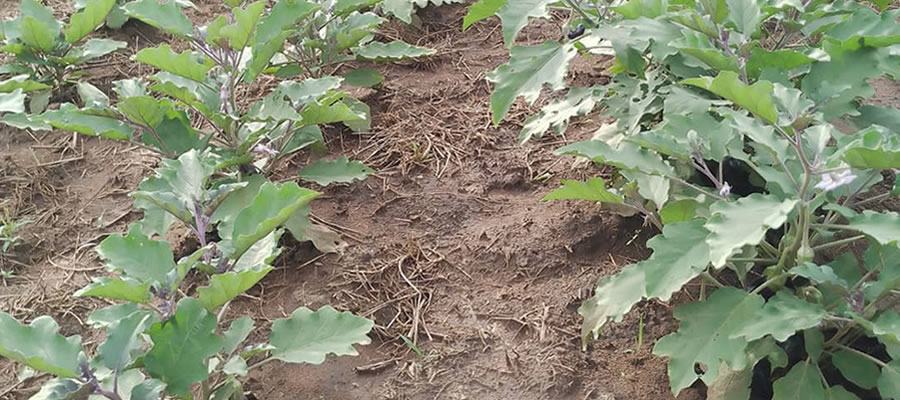
WCAYI strengthens access to local and regional markets, enabling participants to sell agricultural produce and handmade products at fair value.
-
We connect beneficiaries to buyers through community advocacy days, trade fairs, and partnerships with local cooperatives.
-
Participants receive support in pricing, quality assurance, branding, and marketing, increasing competitiveness and income potential.
-
Market-driven approaches ensure that skills gained translate into real economic opportunities.
Women, adolescents, and youth receive practical, hands-on training aligned with local market demand and participant interest.
Key skills include:
-
Craft shoe making – producing durable, locally marketable footwear
-
Mushroom farming – a low-cost, sustainable agricultural livelihood
-
Paper bead necklace making – artisan jewelry for local and external markets
-
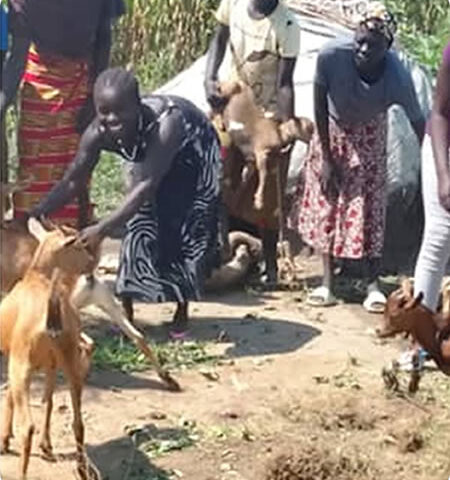
Additional vocational skills such as tailoring, soap making, and poultry farming
Training programs are inclusive, beginner-friendly, and adaptable, ensuring participation by individuals with limited prior experience.
Our livelihoods program prioritizes individuals facing heightened protection risks.
-
GBV survivors, child-headed households, and caregiving families receive tailored economic support combined with protection and psychosocial care.
-
Participants are trained in financial literacy, savings, and small enterprise management, strengthening long-term economic independence.
-
Livelihoods are used as a pathway to restoring dignity, confidence, and social inclusion.
WCAYI works collaboratively with community leaders, local authorities, and refugee-led organizations to ensure programs are safe, culturally appropriate, and sustainable.
-
Women’s groups and youth collectives are supported to form cooperatives and peer networks.
-
These structures enable continued production, savings, and income generation beyond project timelines.
-
Community ownership strengthens resilience and reduces dependency.
Livelihoods and skilling activities are fully integrated with protection and psychosocial support services.
-
We provide safe workspaces, mentorship, and counseling, especially for GBV survivors and vulnerable children.
-
This integrated approach allows participants to build skills, heal, and thrive simultaneously, without compromising safety or wellbeing.
Impact and Outcomes
Through this Livelihoods and Skilling Program, WCAYI enhances:
-
Economic independence and household income
-
Resilience among women, children, and youth
-
Social inclusion and community cohesion
-
Positive contribution to local economies
The program empowers vulnerable populations in Palorinya Refugee Settlement and surrounding host communities to overcome adversity, support their families, and build sustainable futures.